A product name is often the first point of connection between an object and its observer. Beyond identification, it can communicate an idea, reference a cultural association, or establish an emotional context for understanding a design. At Advit Design Lab, the names of our lighting objects and bespoke installations form part of this larger design narrative. Drawing from language, nature, cultural references, and spatial experiences, they offer another way to understand the relationship between an object's identity and the atmosphere it creates.
Naming as an Extension of Design
The process of designing a lighting object involves several considerations: the choice of material, the development of form, the interaction of light and shadow, and its relationship with the surrounding architecture. Each decision contributes to the final character of the piece.
Naming follows a similar process. A name can emerge from an inspiration, a visual association, a particular quality of the form, or an idea that defines the intended experience. It provides context without necessarily describing the object literally.
This distinction is important. A lighting object can be understood through its physical properties, but its experience extends beyond them. The way light interacts with a surface, the shadows it creates, and the ambience it introduces into a space contribute equally to its identity.
Our collection explores these relationships through individual objects, each with its own formal language and character. The names provide an additional layer through which these designs can be interpreted.
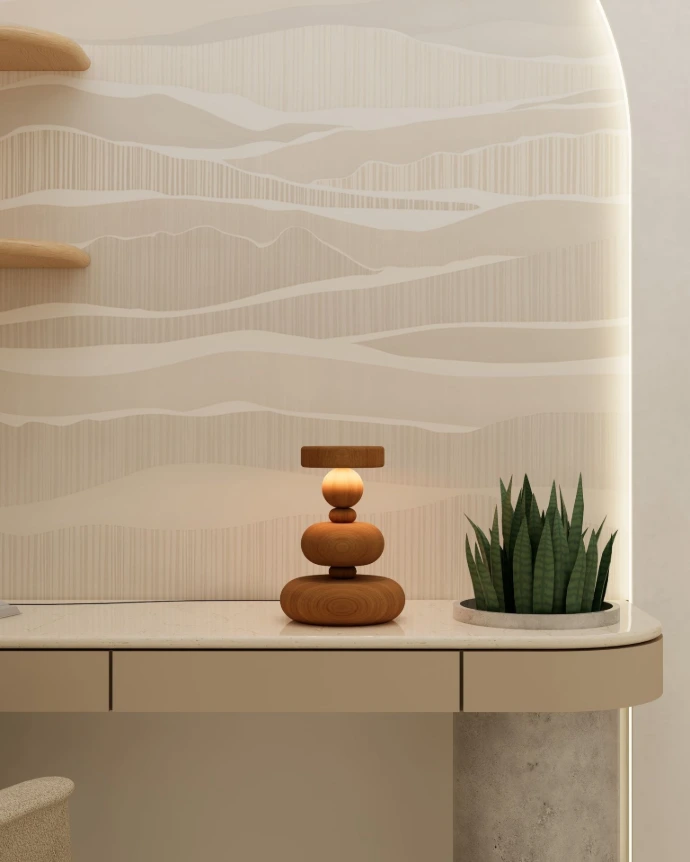
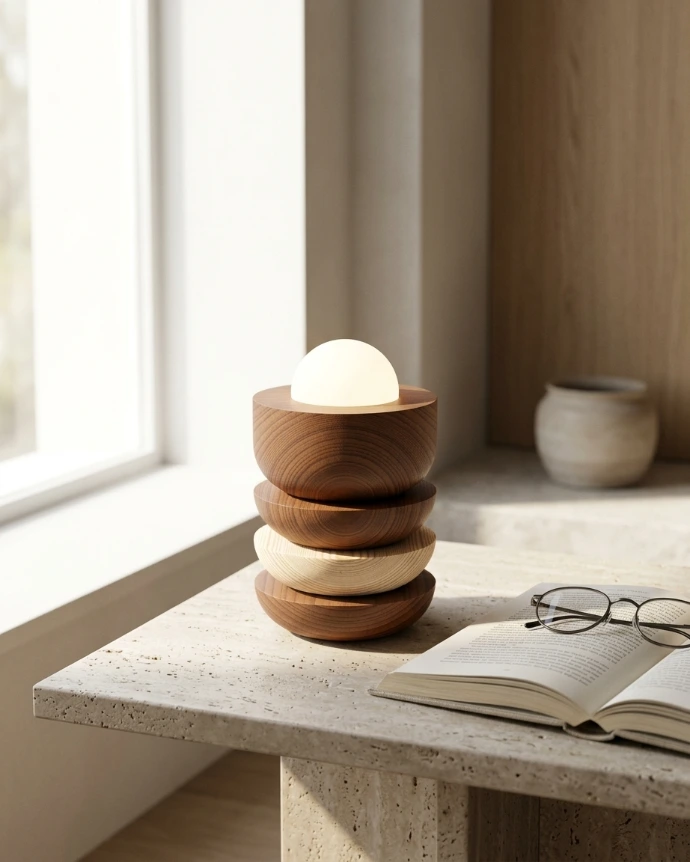
Aikya Table Lamp
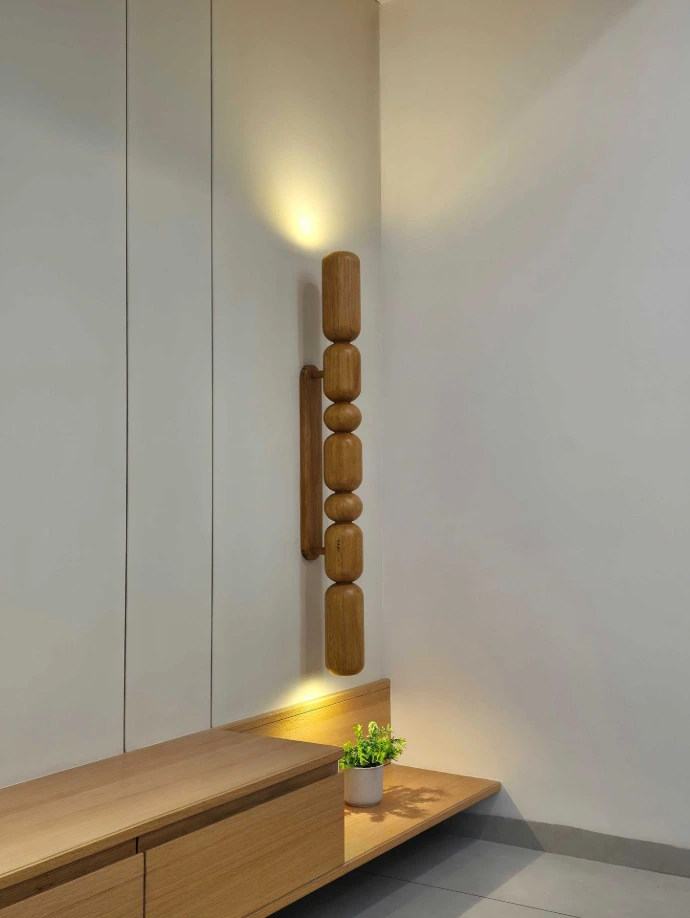
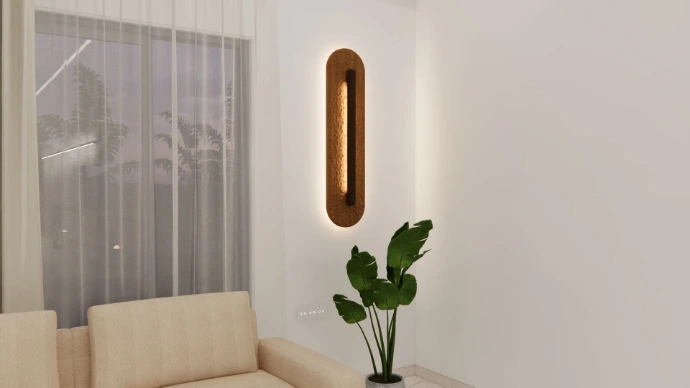
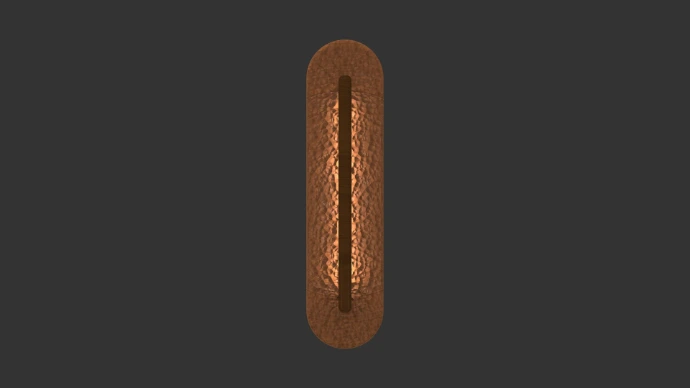
Murali Wall Lamp
Language, Culture and the Identity of an Object
Several names in our collection draw upon the richness of Indian languages and their associations. Words such as Aikya, Murali, Pushpadal and Jyoti carry cultural and conceptual references that extend beyond their immediate linguistic meanings.
Aikya evokes the idea of unity. In design, this can be understood through the relationship between different materials, components and forms coming together as a cohesive composition. It also reflects an important consideration in our practice: how individual elements can retain their character while contributing to a unified whole.
Murali carries associations with music, expression and cultural memory. Its connection to the flute offers an interesting point of reference for thinking about rhythm, proportion and the relationship between an object and its surroundings. It reflects how a familiar cultural association can become a starting point for contemporary design.
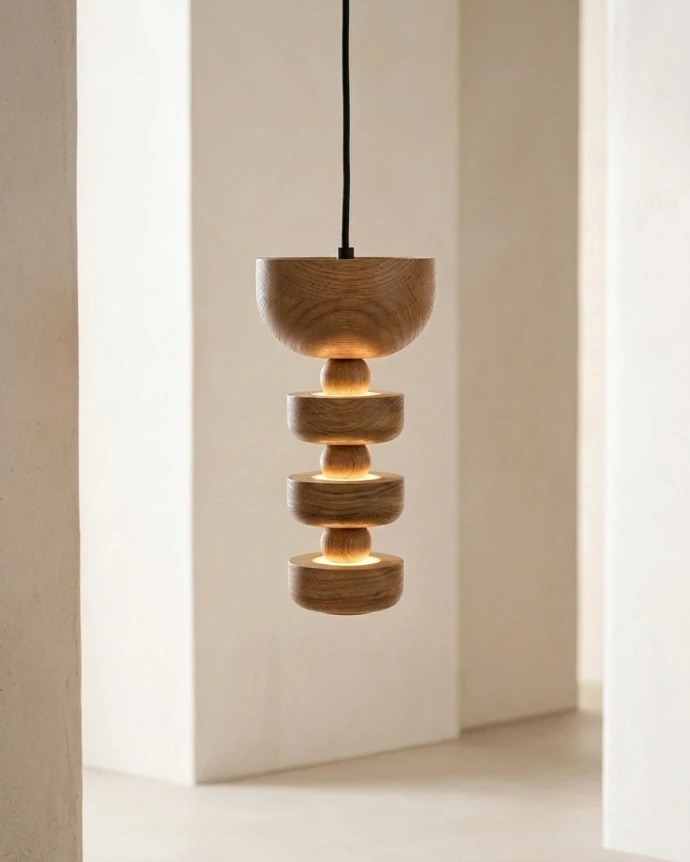
Pushpadal, with its association with the petal, brings attention to the natural world. The delicate structure of a flower, its arrangement and the relationship between individual elements offer an extensive vocabulary for design. Rather than reproducing nature literally, such references allow us to explore organic qualities through form and composition.
Jyoti returns to the most fundamental element of our practice: light. In Indian thought and language, light carries associations with clarity, knowledge and transformation. For a lighting object, this connection becomes particularly relevant. Light is not simply a functional requirement; it influences the perception of materials, establishes visual hierarchy and changes the character of an environment.
These names demonstrate how language can extend the identity of a design beyond its physical appearance. They connect contemporary objects to familiar ideas while leaving room for individual interpretation.
Nature as a Source of Form and Atmosphere
Nature has long informed architectural and product design, offering references through patterns, structures, textures and processes. At Advit Design Lab, this relationship is particularly relevant to our experimentation with natural materials and the qualities they bring to lighting.
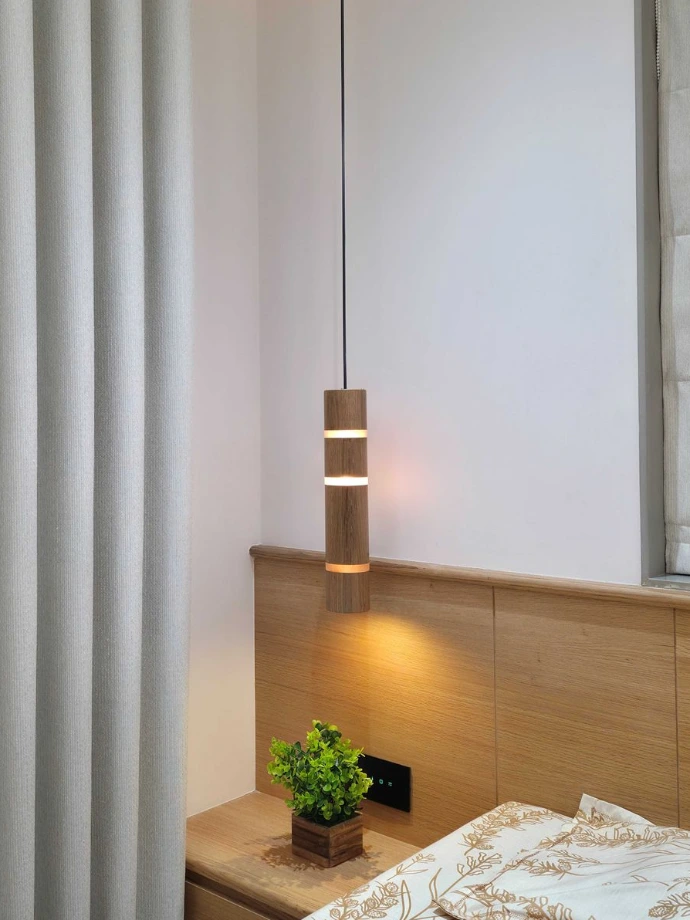
Chiseled wood detail in Vanas evokes the natural environment and the presence of forests. This association connects with an approach to design that recognises the inherent character of natural materials. Wood, when chiseled, introduces variations in grain, texture and colour. These qualities become more pronounced when illuminated, allowing the material to participate actively in the visual experience of an object.
The relationship between nature and lighting is not limited to material selection. Natural environments also offer lessons in how light behaves: filtering through layers, creating patterns, changing intensity and producing contrasts between illumination and shadow.
The association carried by Vanas provides an opportunity to explore these qualities within a contemporary design vocabulary.
Similarly, Pushpadal points towards the structural and visual language of nature. Together, these references demonstrate how natural inspiration can influence not only the appearance of an object but also the atmosphere it is intended to create.
Form, Geometry and the Experience of Space
Some product names emerge directly from the way a form is composed. Others are connected to the relationship between its elements and the experience it creates within a space.
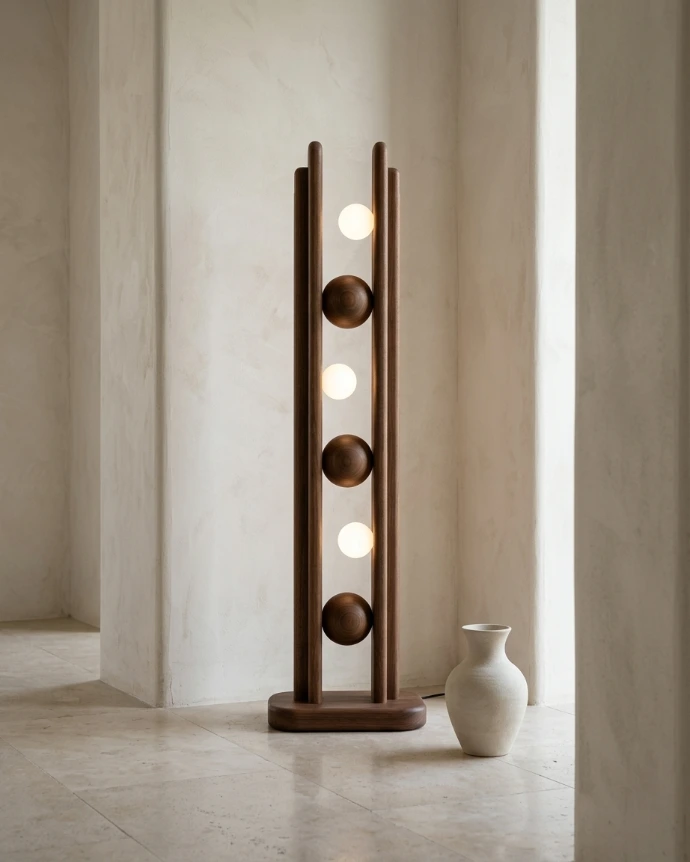
Sammukh is named for the way its light globes face one another. Their orientation creates a visual relationship within the object, turning two individual elements into a single composition. The globes do not simply occupy the same form; they appear to engage with one another, creating a sense of balance and interaction.
This relationship also influences how the light is experienced. As the globes face each other, the composition creates a sense of encounter within the object itself. The name therefore becomes an extension of the geometry—describing not only what the object is, but how its elements relate to one another.
This idea of relationships extends into the way lighting interacts with architecture. A lighting object is never experienced entirely in isolation. Its scale, orientation, silhouette and materiality influence the surfaces around it, while the surrounding architecture, in turn, shapes how the object is perceived.
Triveni, associated with the confluence of three streams, suggests another way of looking at design: the coming together of distinct elements to form a larger composition.
This association resonates with our broader design philosophy, where matter, form and light work together to create an experience. Material provides the foundation, form establishes the visual identity, and light activates the relationship between the object and its surroundings.
The resulting experience is not defined by any one element, but by how they interact.
Beyond Objects: Varshan and Vartul
The relationship between naming and design becomes particularly interesting when moving from individual products to bespoke lighting installations.
Unlike a standalone lighting object, a bespoke installation is developed in response to a specific spatial context. Its dimensions, composition, light distribution and visual impact are considered in relation to the architecture. The installation may become a focal point, define a particular zone, or establish a visual connection across a larger volume.
Varshan and Vartul represent this expanded scale of exploration.
The name Varshan evokes associations with rain and its movement through the natural environment. This provides a conceptual connection to the possibilities of light as a spatial element: repetition, rhythm, vertical movement and the creation of an immersive visual experience.
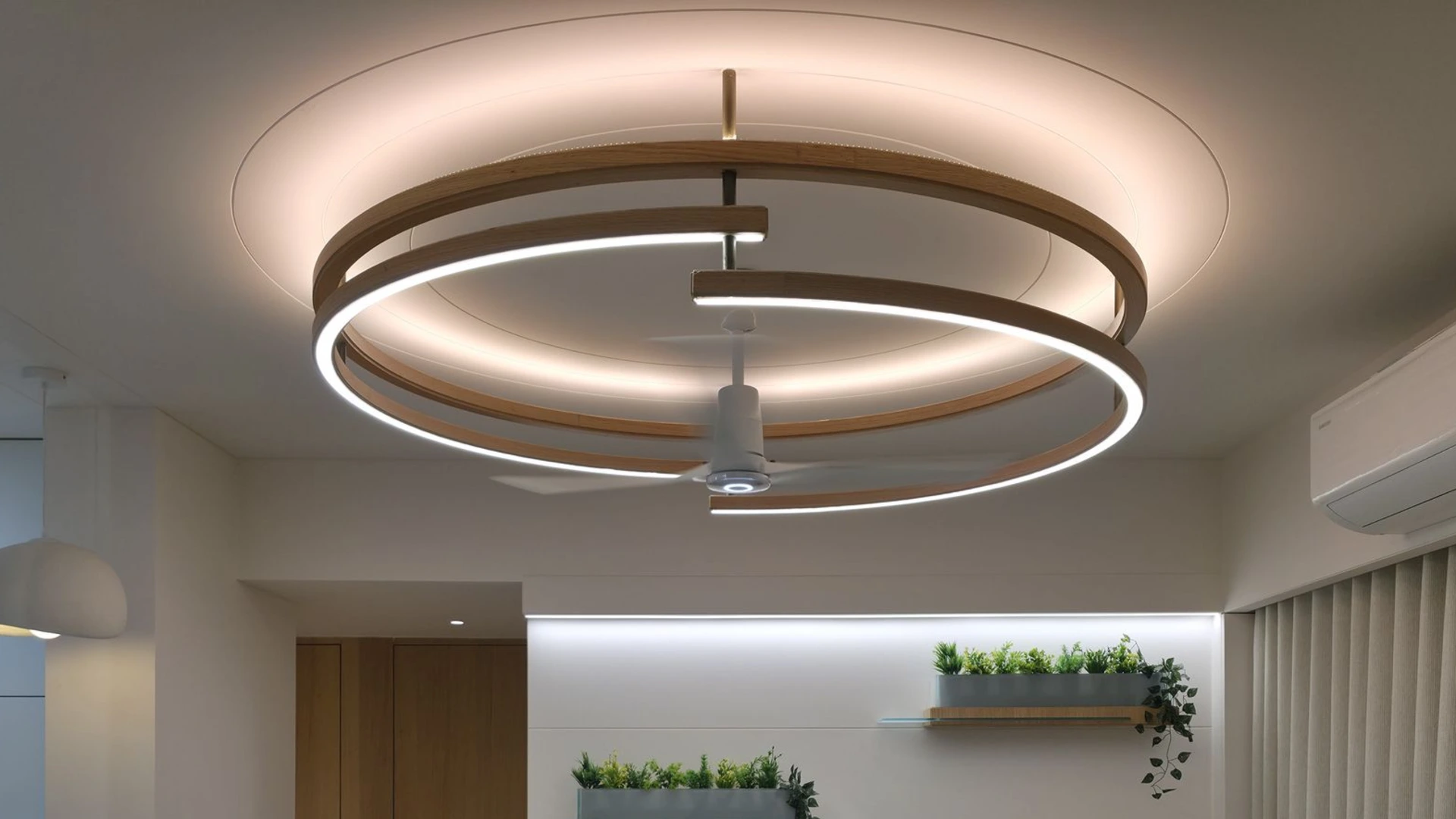
Vartul, associated with circularity, introduces a different set of references. The circle is a fundamental geometric form, recognised for its continuity, balance and absence of a defined beginning or end. In an architectural setting, circular compositions can influence movement, visual direction and the perception of space.
With installations of this nature, the experience is not restricted to viewing the object from a single position. It develops through the relationship between scale, distance, movement and changing perspectives.
This is where bespoke lighting extends beyond the idea of a fixture. It becomes an integral part of the architectural experience, with the capacity to influence how a space is understood and occupied.
When a Name Becomes Part of the Experience
A name provides an entry point into the thinking behind a design, but it does not determine how the object must be experienced. The same piece can create different associations for different people, depending on the space, the surrounding materials, the quality of light and the memories they bring to it.
This openness is an important part of design.
At Advit Design Lab, our interest lies in exploring the relationship between material, form and light, and understanding how these elements contribute to the experience of a space. Whether through a table lamp, a sculptural floor light or a bespoke installation, the intention extends beyond providing illumination.
The names of our creations reflect this approach. Some draw from cultural references, others from nature, geometry or the qualities of light itself. Together, they form a vocabulary that communicates the ideas and associations surrounding our work.
Ultimately, a name is not the conclusion of a design story. It is an introduction to it.
Matter takes form. Form encounters light. And light transforms the way we experience space.